Antistatic properties of PU coatings in the plastics industry
Plastic films are naturally excellent electrical insulators. During the production process, continuous friction between the film and the cylinder surfaces generates electrostatic charges that accumulate in the absence of discharge paths. This accumulation of charges attracts dust and contaminants to the film surface, compromising print quality and coating adhesion. Joints between film coils that cause unwinding blocks and tears; electrostatic discharges that can damage electronic line control components or, in solvent-containing atmospheres, pose an ignition risk.
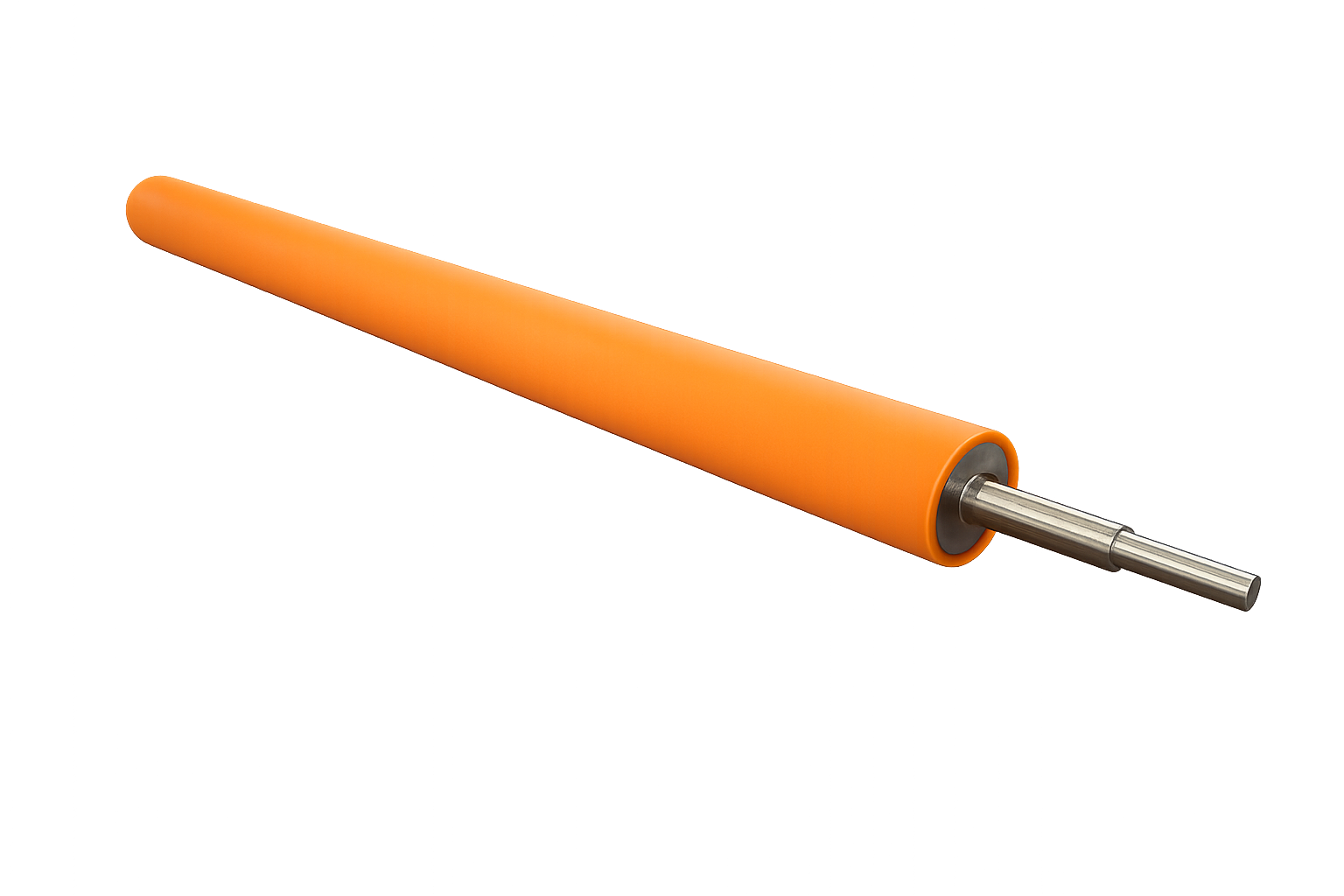
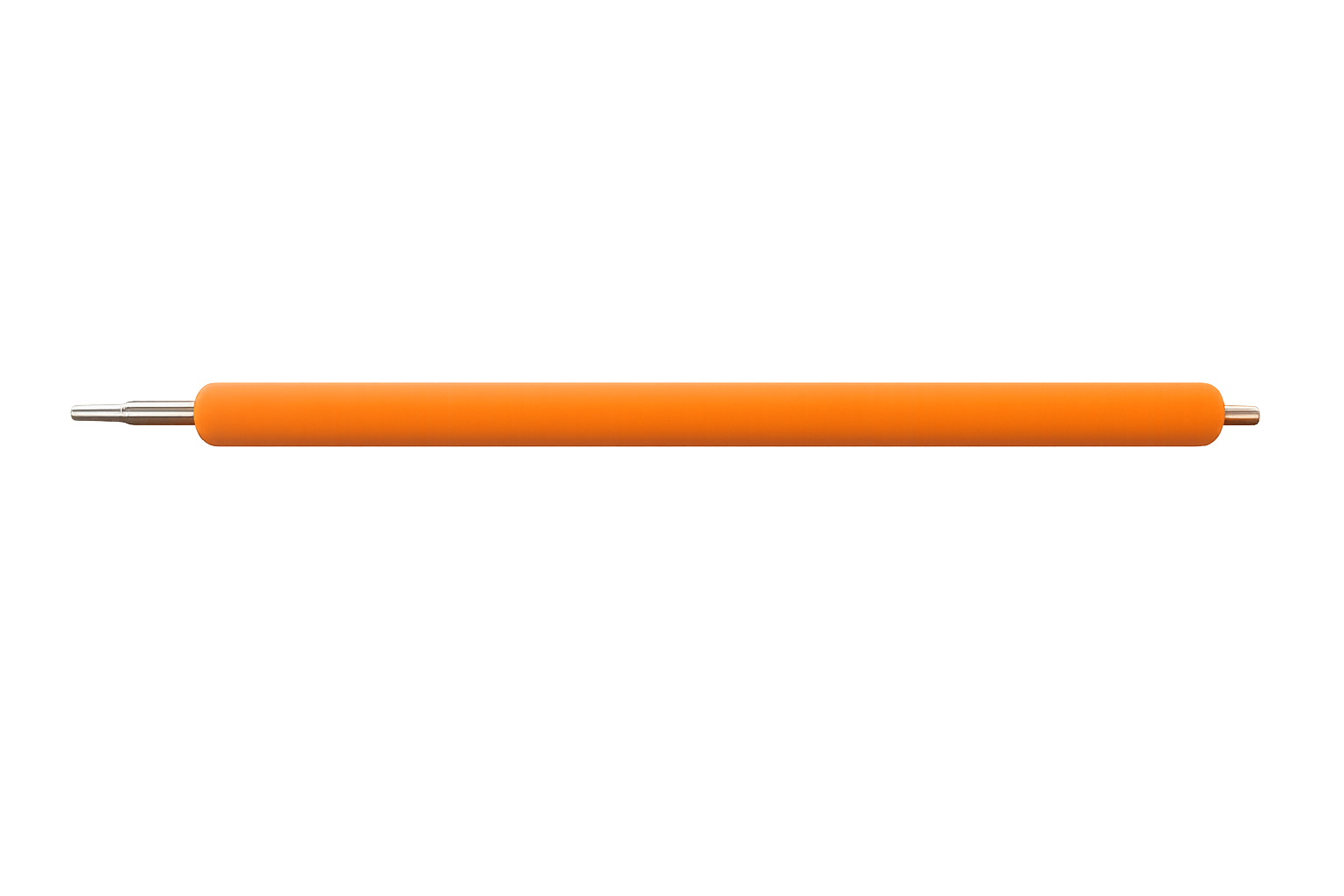
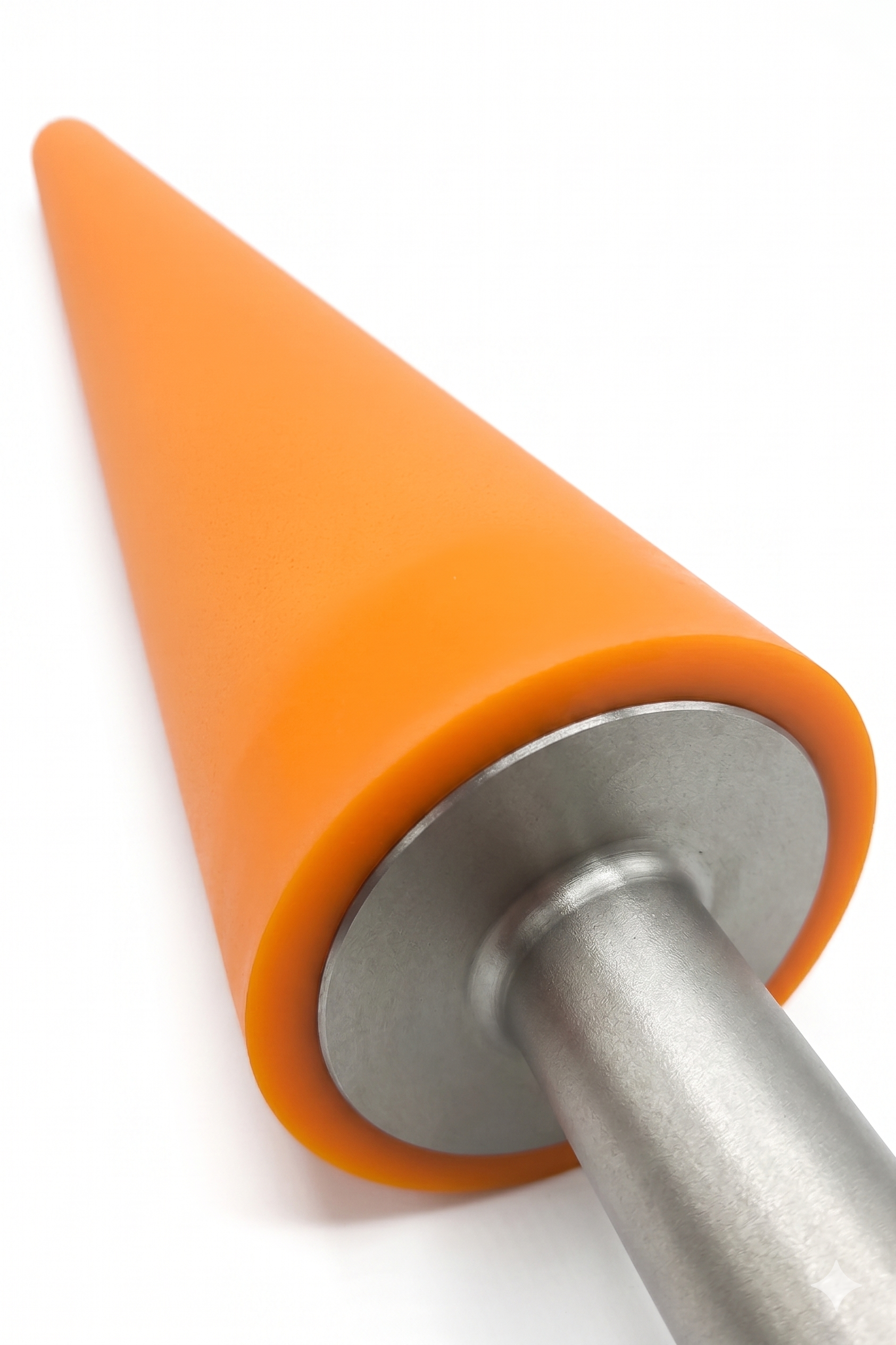
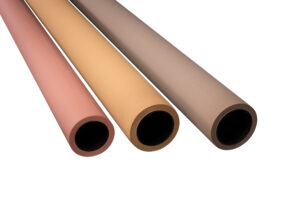
The use of polyurethane-coated cylinders allows for direct action at the source, on the contact surface with the film. The polyurethane is mass-added with permanent antistatic agents distributed throughout the polymer matrix. Unlike surface treatments, antistatic properties are intrinsic to the material: they do not degrade with washing, abrasion, or time.
Paper and the electrostatic problem
In the paper production process, reducing the water content corresponds to a significant increase in electrical resistivity, making it similar to an insulator. The result is a material that, subjected to continuous friction against the cylinders of the paper machine, accumulates electrostatic charges as easily as a plastic film.
In the drying, calendering, coating, and rewinding sections, the contact, pressure, and traction rollers, coated with non-dissipative material, actively contribute to frictional electrification, amplifying the problem rather than mitigating it. The adoption of antistatic polyurethane rollers represents a structural and long-lasting solution, integrated into the machine without any system modifications.